







Right in the middle of Delhi’s busy life lies a calm and green space that has been part of the city for decades. Lodhi Garden, often described as one of Asia’s finest urban parks, turned 90 on Thursday.
Spread across 90 acres, the garden is a popular spot for morning walks, jogging, and quiet time. Located between the leafy Lodhi Estate and the bustling Khan Market, it offers a peaceful break from the city’s fast pace.
The garden opened on April 9, 1936, during British rule as Lady Willingdon Park. Over the years, it has grown into what many call the lungs of Delhi, a place where nature and history come together.
The land once had a village called Khairpur, which was moved when the British decided to shift their capital from Kolkata to Delhi and build New Delhi.
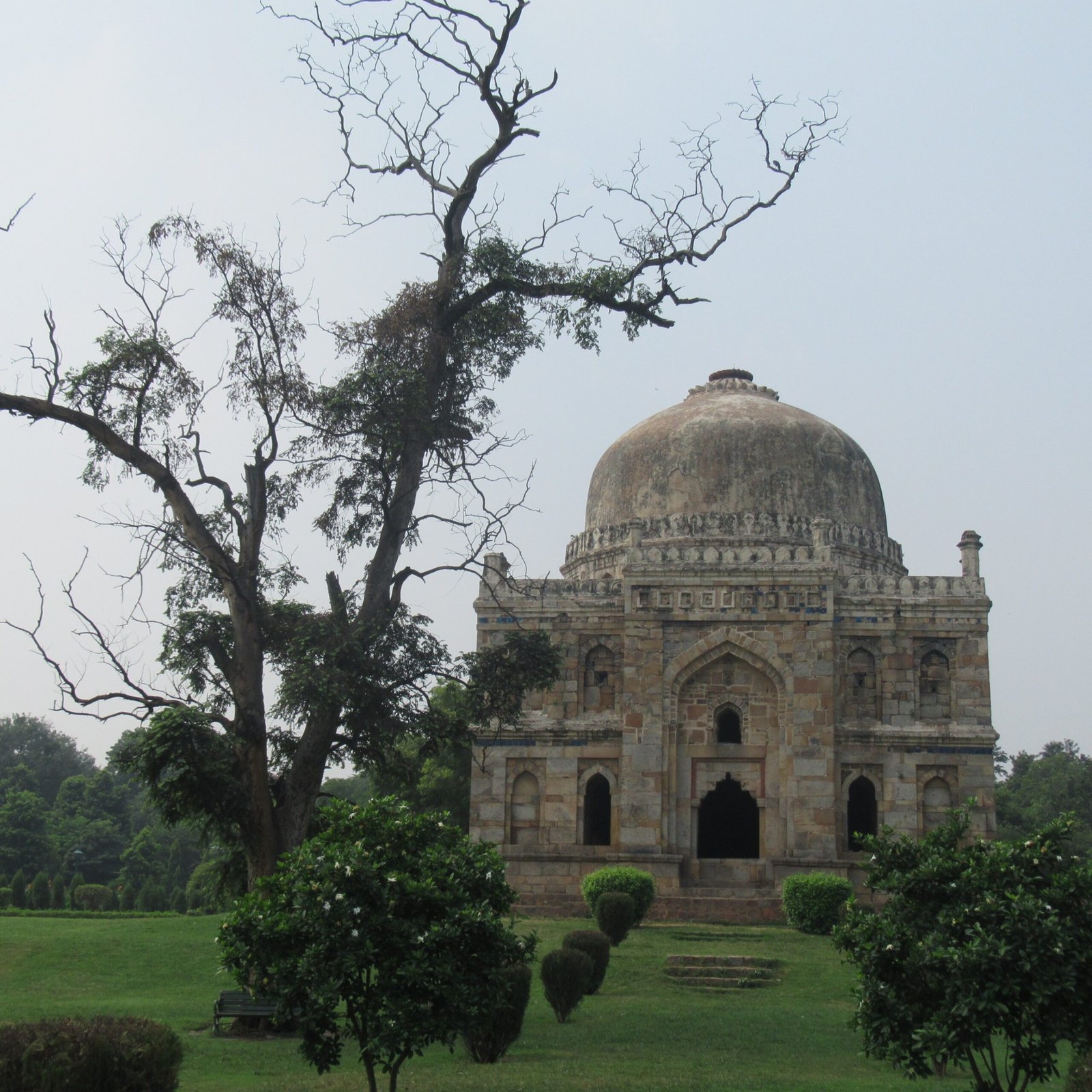
Today, the garden is known not just for its greenery but also for its historic monuments. It houses tombs from the Sayyid and Lodhi periods, including the tomb of Mohammed Shah. Other structures such as Sheesh Gumbad, Bara Gumbad and the tomb of Sikander Lodi add to its appeal, with detailed stonework and calligraphy.
The garden is also rich in plant and bird life. Trees like neem, jamun, bamboo and palms grow here, and birds such as parakeets, mynahs, kingfishers and hornbills are often seen.
In 1968, American architect Joseph Allen Stein redesigned the garden’s layout. His work blends well with nearby landmarks like the India International Centre and the India Habitat Centre, which feel connected to the garden’s open spaces.
For INTACH, which has its office nearby, Lodhi Garden is more than just a park. It is seen as a living classroom where people can learn about nature, history and architecture.
Over time, the garden has become a part of everyday life in Delhi. It is a place for picnics, walks, and heritage tours. Its old iron gates, still marked with its original name and opening date, remind visitors of its long history.
As Delhi continues to grow, spaces like Lodhi Garden remain important for people of all ages. They offer fresh air, open space and a connection to the city’s past.
(with inputs from agencies)