






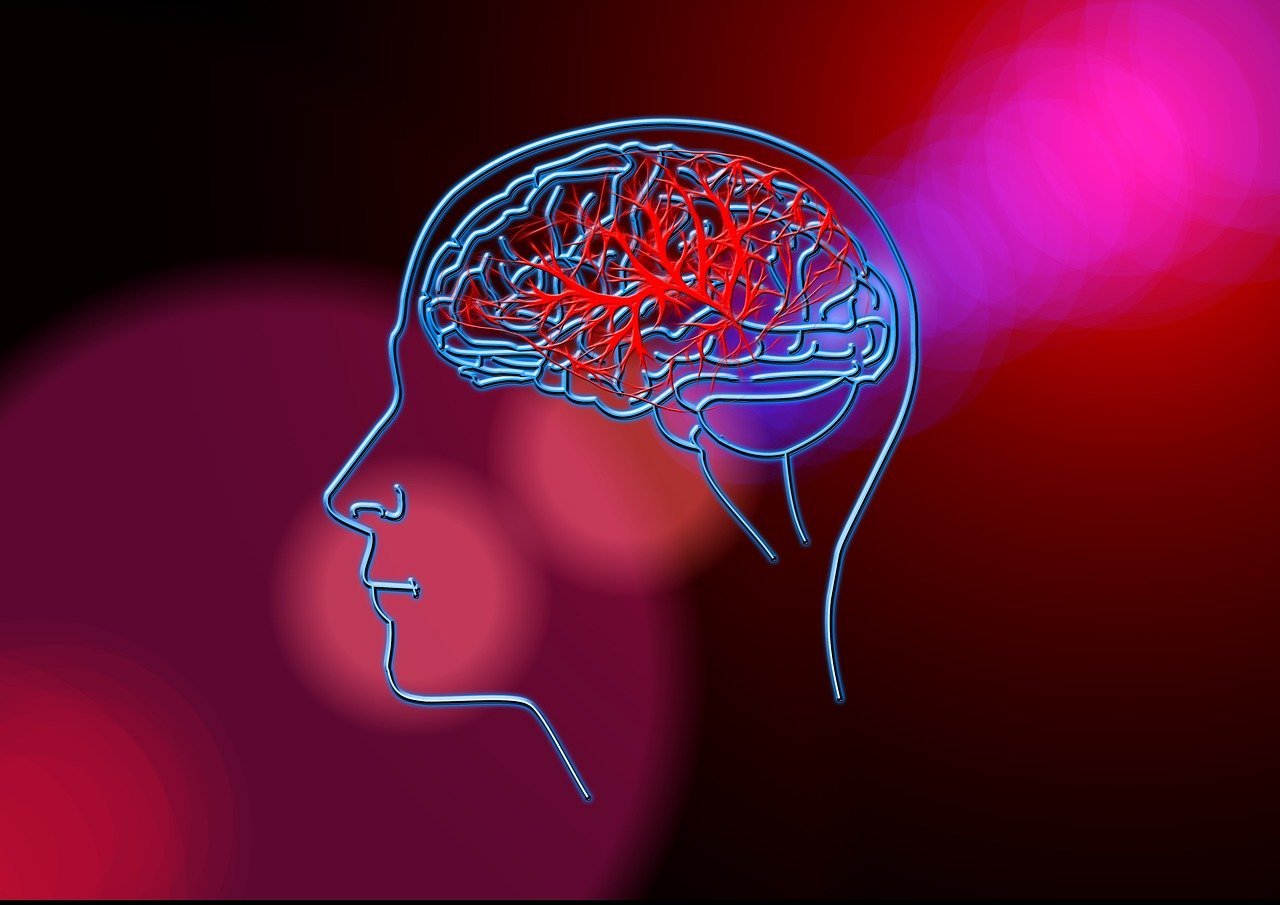
New Delhi: As India marked World Stroke Day, leading neurologists and health experts warned of a sharp increase in stroke cases among younger adults, urging greater use of AI-driven screening and integrated diagnostics for early detection and prevention.
At a health forum organised by Mahajan Imaging and Labs, experts said India is witnessing a stroke epidemic, with recent studies showing the country records nearly 1.5 million cases every year, yet only one in four people has access to a stroke-ready hospital. The findings were published in the International Journal of Stroke (IJS).
Doctors linked the growing number of strokes among people in their 30s and 40s to chronic stress, hypertension, sedentary lifestyles and air pollution, highlighting an urgent need for AI-enabled preventive healthcare systems.
Environmental and lifestyle risks
Dr. MV Padma Srivastava, chairperson of Neurology at Paras Health, Gurugram, and former AIIMS professor, said that environmental pollution, especially exposure to fine particulate matter (PM2.5), triggers inflammation and blood vessel damage, significantly increasing the risk of ischemic stroke.
“In cities like Delhi, where PM2.5 levels are 10 to 15 times above WHO limits, those with hypertension, diabetes or heart disease face a far greater risk,” she said. “Reaching a stroke-ready hospital within the ‘golden hour’ can dramatically improve recovery.”
She added that with the advent of clot-busting drugs, mechanical thrombectomy and AI-powered imaging, treatment outcomes have vastly improved — provided patients get rapid and coordinated care.
Younger patients at risk
Dr. Harsh Mahajan, founder and managing director of Mahajan Imaging and Labs, noted that the profile of stroke patients has changed over the last decade. “We now see strokes in younger, otherwise healthy adults, often caused by stress, poor sleep, uncontrolled blood pressure, and prolonged exposure to air pollution,” he said.
He explained that AI-enabled imaging is helping radiologists detect subtle clots, vessel blockages, or microbleeds that could be missed in early scans. Advanced CT, MRI and diffusion-weighted imaging, when combined with AI algorithms, have improved accuracy and speed of diagnosis.
Dr. Mahajan recalled that India made global strides in 2018 when Qure.ai and Mahajan Imaging co-authored a landmark study in The Lancet, introducing AI-based automated diagnosis for detecting hemorrhagic strokes from CT scans — a major leap in applying artificial intelligence to emergency care.
Faster diagnosis through integrated labs
Dr. Shelly Mahajan, lab director at Mahajan Imaging and Labs, said integrating real-time pathology with imaging has revolutionised stroke care. “We can now deliver coagulation and biomarker results within 45 minutes, allowing neurologists to make critical treatment decisions immediately,” she said.
Laboratory tests such as D-dimer, PT/INR, fibrinogen, lipid analysis, and genetic markers, along with blood biomarkers like GFAP and NfL, are enabling faster and more precise diagnosis of brain injury and stroke risk.
Call for preventive care
Experts concluded the forum by calling for a shift from emergency treatment to preventive, data-led stroke management. They urged that routine screening for blood pressure, cholesterol, coagulation factors, blood sugar, homocysteine, and C-reactive protein (CRP) become part of regular health check-ups, particularly for people with sedentary lifestyles or family histories of heart disease.
Doctors emphasised that AI-driven imaging, advanced pathology, and rapid decision systems can help reduce India’s growing stroke-related disability and mortality rates, turning reactive care into proactive prevention.
(with inputs from agencies)